Photo & film
1970s or 1990s? Choosing a photo look
A decade is a starting reference. Color, light, texture, styling, and composition make the direction easier to describe.
Written · FunnyBanana
A decade is not a single filter
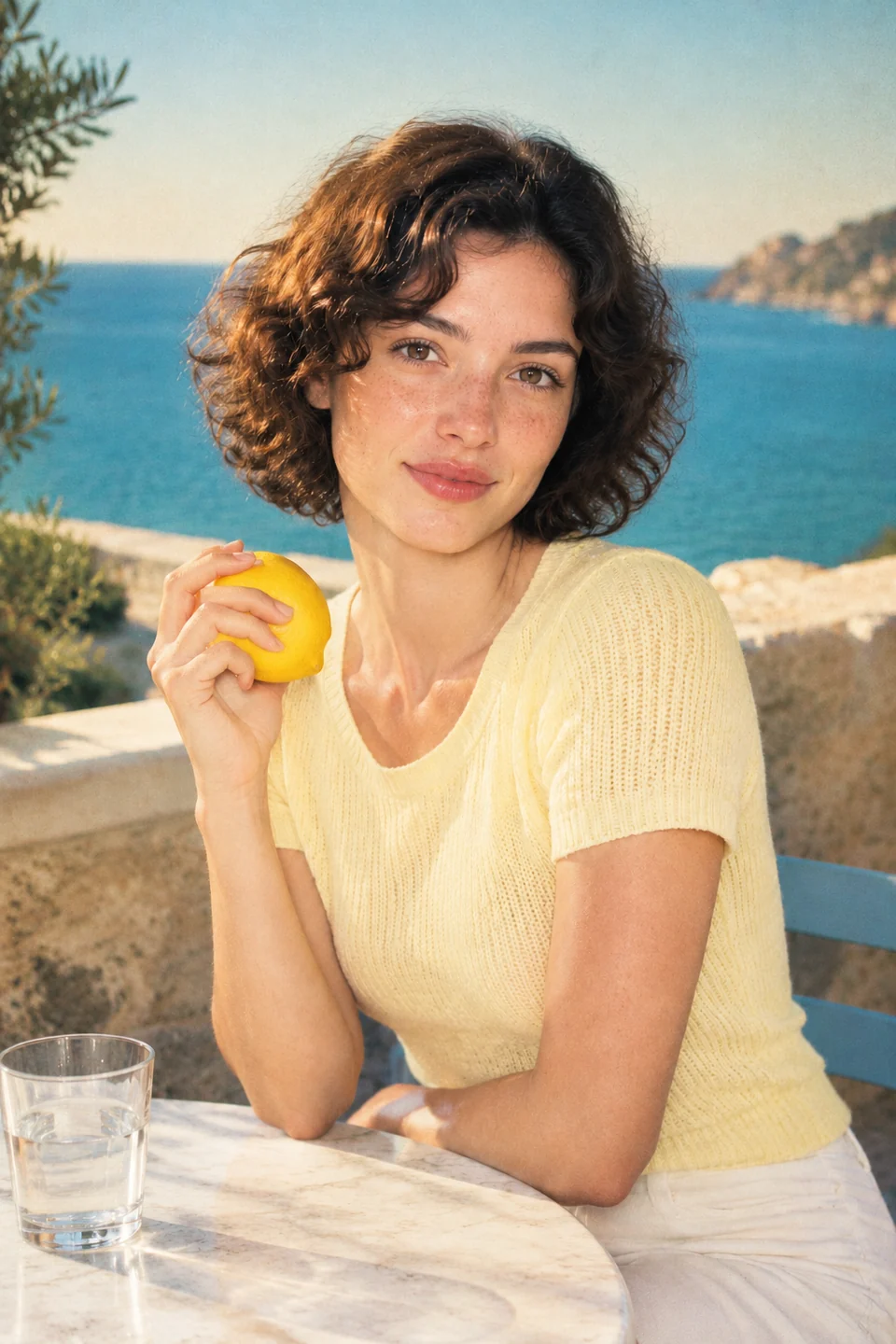
A studio portrait, a family snapshot, and a magazine image from the same decade can look very different. Instead of expecting one preset to describe an era, choose the kind of photograph you have in mind. A warm, softly lit portrait and a casual direct-flash snapshot are two useful creative directions.
The examples in this guide describe possible aesthetics. They are not a historical rulebook or a claim that a particular editing model recreates a decade accurately. If historical accuracy matters, work from a dated reference with a reliable source and inspect clothing, props, and surroundings as well as the color.
Try a warm, soft portrait direction
For a 1970s-inspired idea, you might begin with warm colors, gentle contrast, an understated background, and restrained grain. Describe those choices directly. An earthy palette can suggest the mood you want without forcing every object or skin tone to turn orange.
Decide whether you only want the photographic treatment or also want to change the clothes and setting. Keeping the original pose while altering light and texture is a smaller request than rebuilding an entire period scene. If you change the setting, name the details you actually want rather than adding a long list of unrelated decade symbols.
Try a casual snapshot direction
For a 1990s-inspired snapshot, a useful direction might be direct-flash light, a candid expression, and an ordinary indoor setting. Describe whether you want visible background detail or a stronger focus on the subject. A candid mood does not require an exaggerated pose or a deliberately damaged image.
You can ask for a slightly imperfect framing or a compact-camera feel, but avoid piling heavy blur, grain, scratches, and faded colors into one request. Those effects can obscure the face or distract from the moment. Choose the qualities that support the image you want to use.
Compare the direction using the same source
To judge which look suits a picture, keep the source and the parts you want to preserve consistent across your descriptions. Compare warm, soft light with the direct-flash direction before also changing outfits or locations. That makes the difference you are choosing easier to see.
Separate atmosphere from accuracy during your review. You may prefer the mood of one result even if it changed the person or introduced an unwanted object. Do not accept those differences automatically because the colors look convincing.
- Does the lighting suit the expression and the scene?
- Are skin tones and important colors still usable?
- Did the pose, face, or clothing change unexpectedly?
- Do texture and grain support the image rather than hide it?
Finish for where the image will go
Check a profile image at the size people will actually see it. For a card or a keepsake, look more closely at small details and any lettering. If the image suggests an event that did not happen, give it context when sharing so that a creative scene is not mistaken for a documentary photograph.
You can keep the direction simple: choose the light, choose the color, then decide whether to add texture. A specific description gives you a clear basis for revision without requiring a perfect label for your taste.
Questions about this idea
Do all 1970s photographs have warm colors?
No. Photographs vary by film, lighting, processing, camera, purpose, and age. Warm colors are one possible creative direction, not a universal feature of the decade.
Can I make a retro look without changing clothes?
You can describe an edit limited to light, color, contrast, and texture, and ask to keep the clothes and pose. Review the result to see which details actually stayed.
Put your idea into words.
Upload your own photo in Create, then describe what to keep and what to change.
Uses 1 creation when the image succeeds · Private by default
Bring your image · Explore retro ideas